


Medium Format: Intimacy and Pleasure: Size Matters.
An essay on medium format photography — and what happens when you stop needing to know right away.
It is no secret in my family that I walk around with a medium format camera. Usually a Rolleiflex, though there are other alternatives on the shelf, and whichever one I feel more comfortable with on a given morning is the one I take out that day. I could go into the technical details — the quality of each body, the resolving power of each lens, the grain characteristics of each film stock. I don't think any of that is particularly relevant here. There are plenty of YouTube videos for that. What I want to talk about is something else entirely: the relationship between the camera, myself, and the subject.
I use medium format photography to calm my anxiety. To feel at ease. To walk around as a flaneur. To experience what feels like an ancient sensation — or at least seems ancient — of being one with the image. Of taking a deep breath before shooting as a sniper would, as a francotirador. Of looking through the viewfinder and capturing and image without being immediately compelled to look at rear screen to verify whether what I took was what I thought I was taking.
This is important. With medium format analog cameras — and I want to be clear from the beginning that I mean analog, actual film — something different happens. You still a moment. You take it. You get your kill (did you?). And then it goes into a part of the experience where you cannot retrieve it, not at least for a week or ten days. I send my film to be developed in New York. I know the people there. They are used to my mistakes, and to my accomplishments as well.
A moment goes into part of your experience where you cannot retrieve it — not for a week, not for ten days. And something about that impossibility justifies the ordeal.
I like to photograph my family. New York at its finest. Landscapes. Plain objects. Ordinary things that catch light in ways I don't expect. And what is very interesting — even the pictures I don't like, I feel like preserving those negatives. Not deleting them, the way you could in a digital camera, because a lot went into that image. Not necessarily talent. Not necessarily opportunity or perfect light or a decisive moment in the Cartier-Bresson sense. Something simpler and harder to name:
hope.
You save the negative in a plastic sleeve. You look at that sequence of frames on a roll, and then months later — sometimes years later — everything comes back when you look at the negative, or a print, or the contact sheet. Everything. You remember what you were wearing. You remember who you were with. You remember how you got that picture. The cold, or the light, or the argument you had that morning, or the fact that you were happy.
You don't need the metadata. You know what I mean — that information embedded in every digital image: the file name, the date, the location, the GPS coordinates, the aperture, the ISO, the shutter speed. All of that carefully recorded, just in case you don't remember where you were or who you were at the moment you pressed the shutter. With medium format film, all of that is replaced by a feeling. You are the metadata.
There is something about the size of the negative — and this is where size genuinely matters — that forces a different kind of attention. A 6x6 frame is not forgiving in the way a 35mm frame is not forgiving, but it rewards you differently. It holds more. More light, more detail, more of the air in the room. And because you have twelve frames on a roll instead of thirty-six, or thirty-six on a digital card instead of three thousand, you think before you shoot. Not out of discipline. Out of respect. For the moment. For the person in front of you. For yourself.
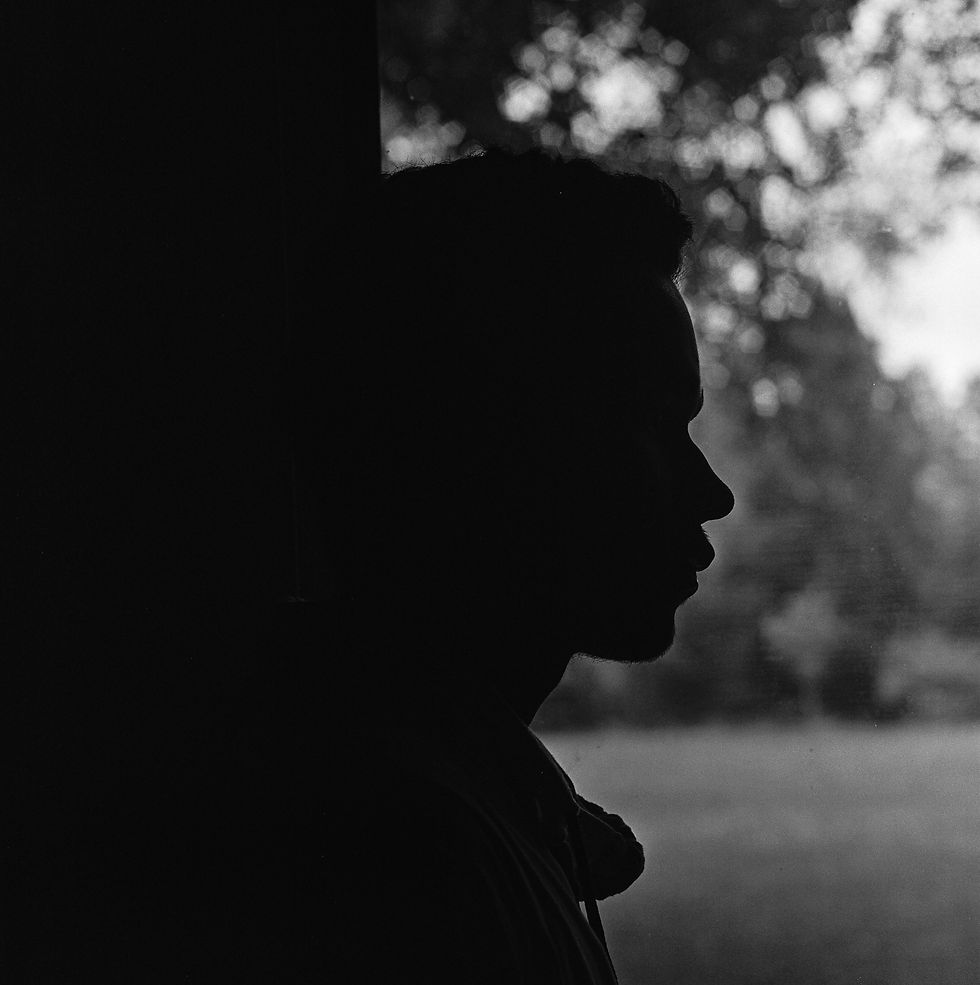
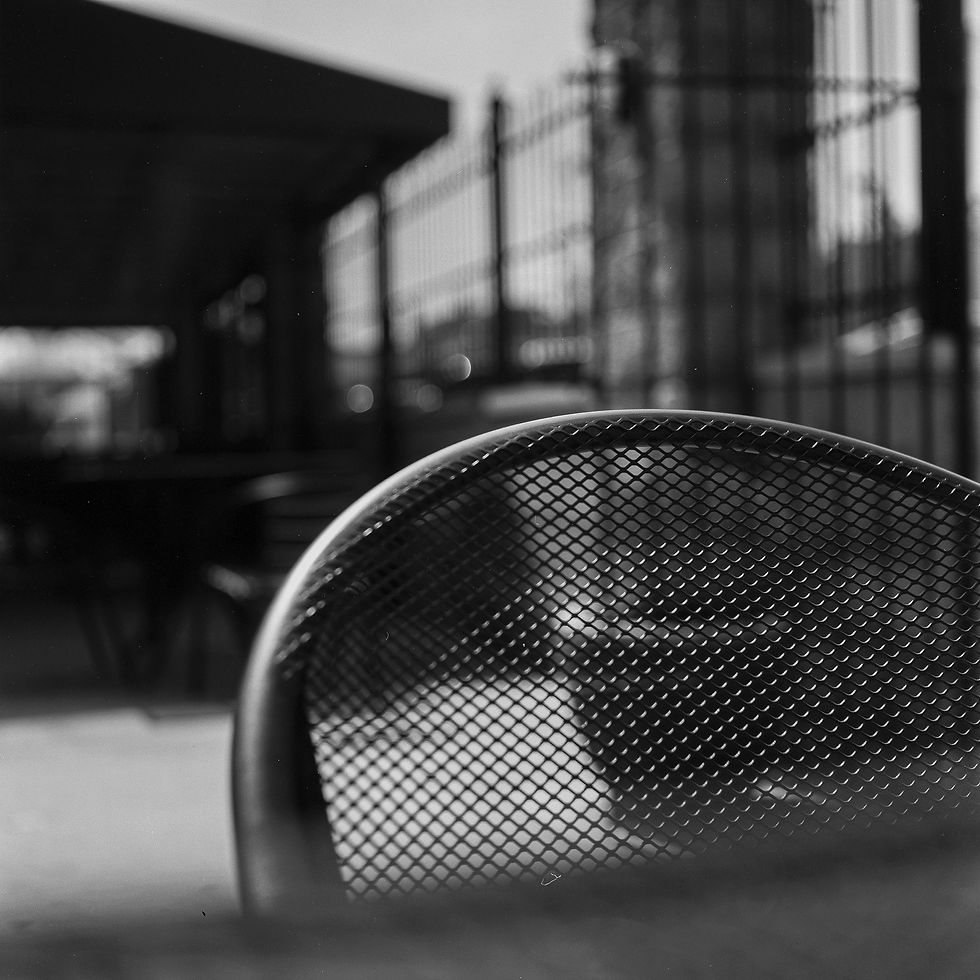
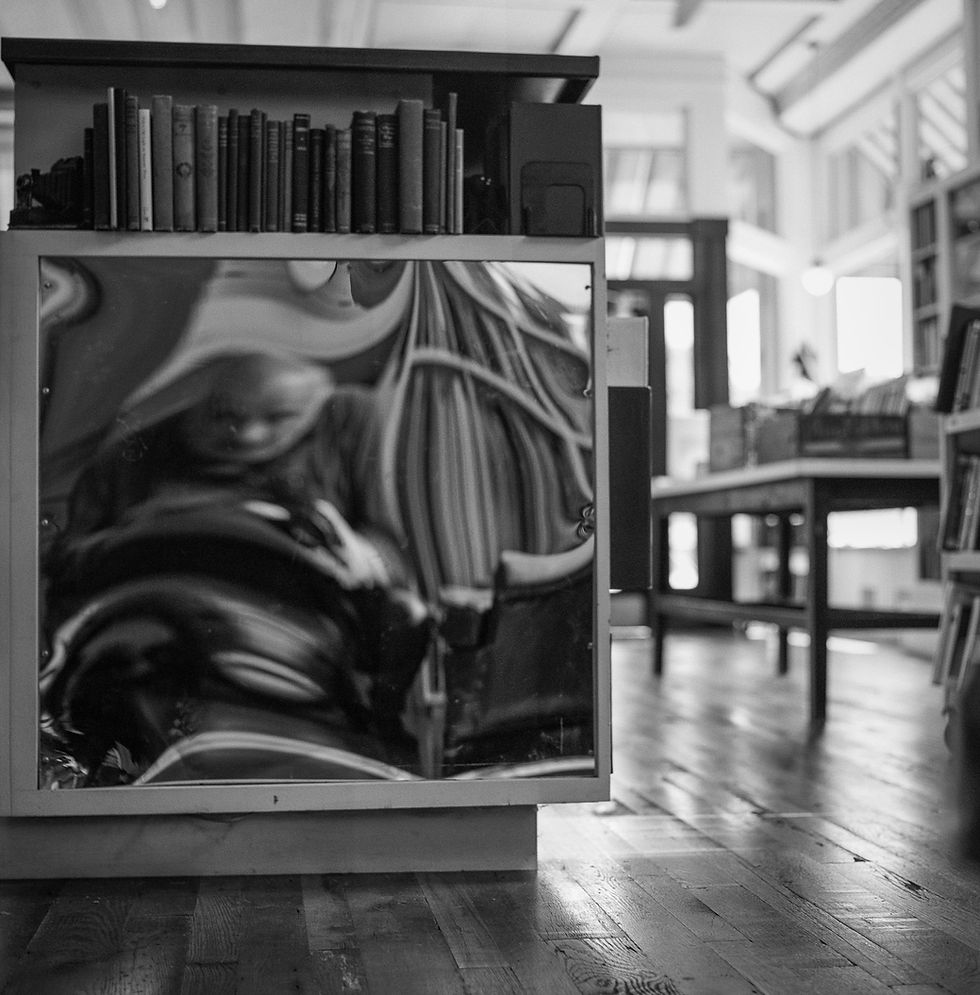
The photographs here are a random selection from the most recent rolls. They are not curated for technical perfection. Some are soft. Some are slightly off. All of them, I kept.





Comments